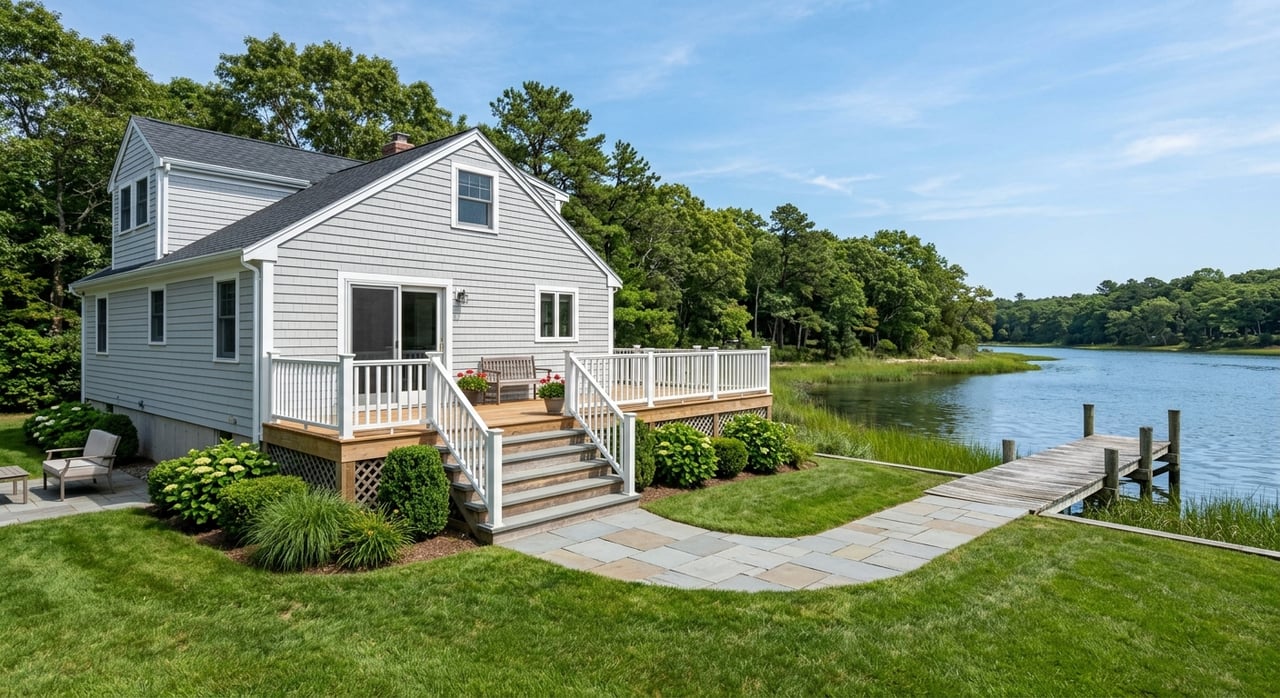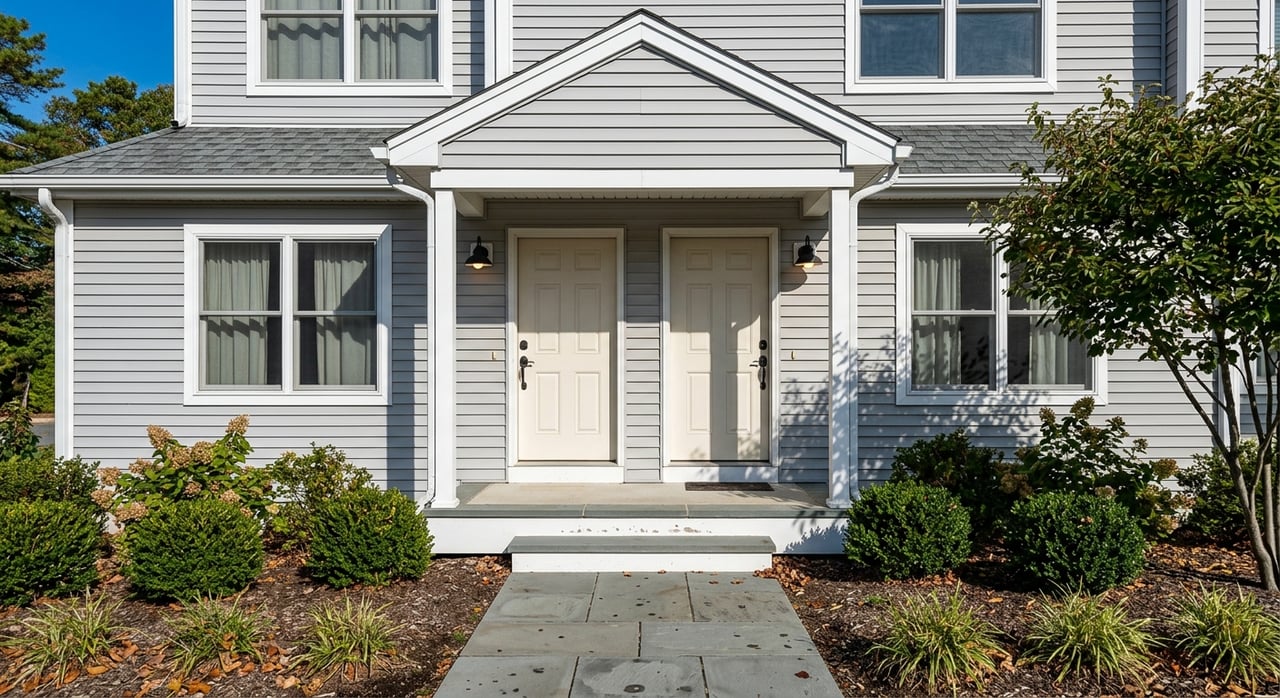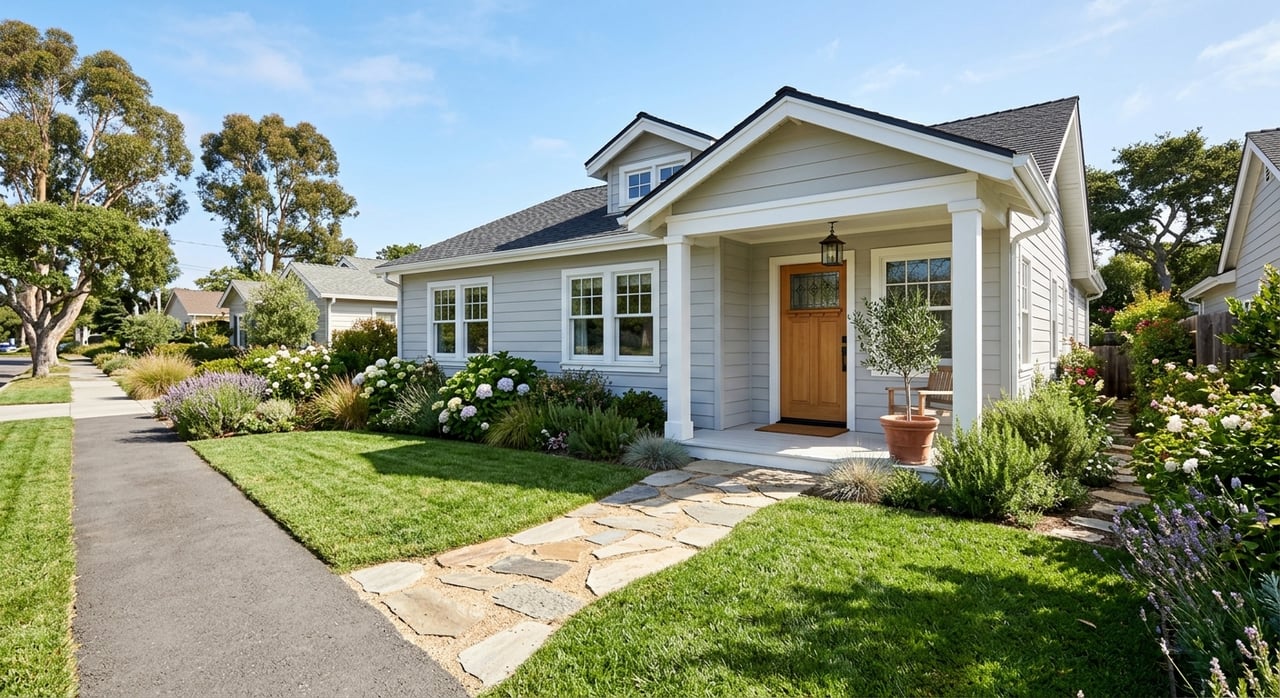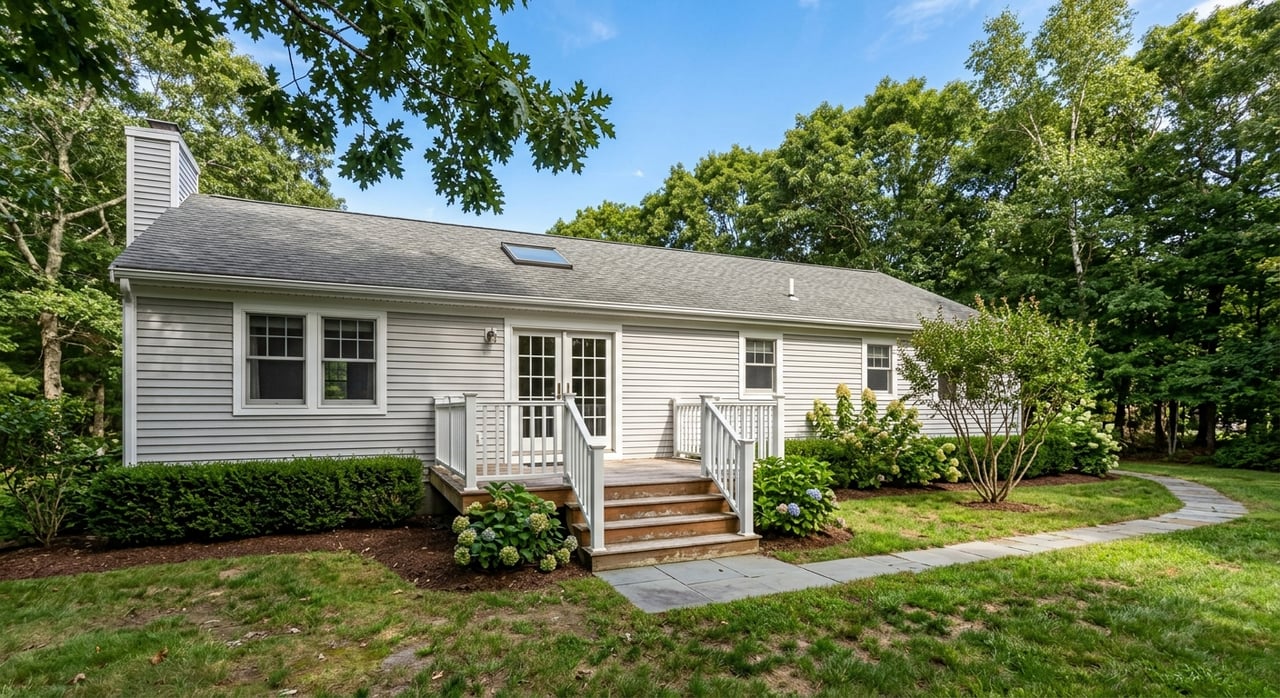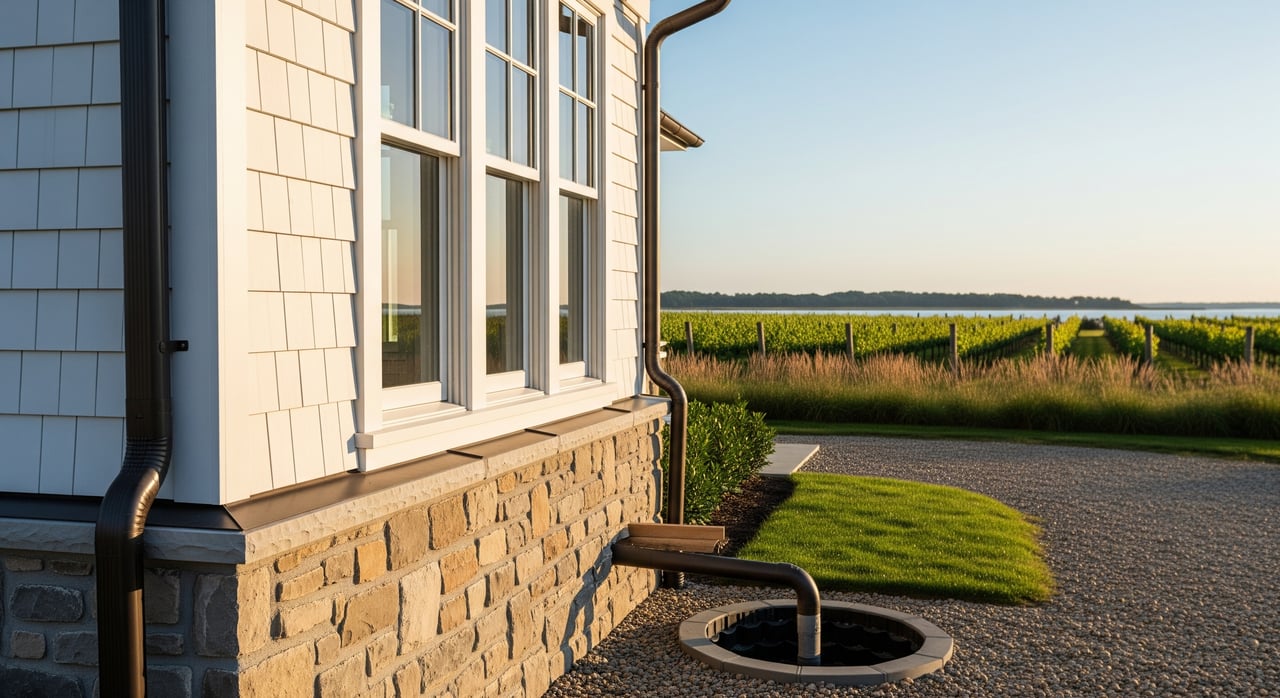
Buying in Mattituck is exciting, especially if you have your eye on a classic North Fork cottage or cape. Still, the home inspection can feel like a mystery. You want to know what will be checked, how long it takes, and which local risks matter near the bay and Sound. This guide walks you through the Mattituck home inspection process, timelines, scope, and add-on tests, with practical tips to help you negotiate wisely. Let’s dive in.
Inspection timing and deliverables
After your offer is accepted, you typically have 7 to 14 days for inspections, depending on your contract. Schedule your inspector right away to keep the deal moving. A standard inspection for a single-family cottage or cape usually takes 2 to 4 hours onsite.
Most inspectors deliver a written report with photos and clear summaries within 24 to 72 hours. Many include prioritized findings so you can focus on safety and major systems first. You are encouraged to attend the inspection, take notes, and ask questions. It is one of the best ways to learn how your new home works.
What a standard inspection covers
Included checks
A standard New York home inspection is a visual assessment of accessible areas. Inspectors commonly evaluate the roof covering, gutters, and flashing; siding and exterior trim; porches, decks, and railings; grading and drainage; visible portions of the foundation, crawlspace, or basement; heating and cooling operation; plumbing fixtures and visible supply and drain lines; electrical service, main panel, and a sampling of outlets and switches; windows and doors; fireplaces and chimneys at a basic level; attic insulation and ventilation; and general safety items like handrails and GFCI protection.
Inspectors typically follow published standards such as the ASHI Standards of Practice and the InterNACHI inspection standards and checklists. Ask your inspector for their membership, insurance, and a sample report so you know what to expect.
Common exclusions
A home inspection is not a code compliance review or a guarantee against future failures. It does not include invasive testing, buried components, or most specialty environmental tests. Items that usually require separate services include septic system function beyond a visual look, well water lab testing, radon testing, mold or asbestos sampling, lead paint testing, oil tank locating, and sewer or lateral video scopes.
Mattituck and North Fork watchouts
Exterior and structure
The coastal climate brings salt air, higher humidity, and winter freeze and thaw cycles. These conditions can speed up corrosion on metal flashings and fasteners and lead to wood rot on trim, porches, and deck framing. Waterfront stairs and older decks often show decay or weak ledger connections. Stone chimneys and mortar joints can also weather faster here.
Roof and chimney
You may see older cedar shakes or asphalt shingles on North Fork homes. Cedar needs different maintenance and can grow moss in humid conditions. Chimney flashing and caps are frequent repair items, so inspectors pay close attention to those details.
Basements and crawlspaces
High groundwater and storm surge risk can increase the chance of moisture in basements. Many cottages have crawlspaces that lack insulation or ventilation, which raises humidity and can affect comfort and efficiency. Your inspector will look for past water intrusion, sump pump operation, vapor barriers, and insulation quality.
HVAC and fuel
Fuel oil heat is still common on Long Island, and some properties may have buried oil tanks. Ask for documentation on tank status and any removal or decommissioning. If the home has heat pumps or ductless mini splits, the outdoor units should be checked for salt-related corrosion.
Plumbing, wells, and septic
Outside village centers, private wells and older septic systems or cesspools are common. Your standard inspection will not include water quality testing or a full septic evaluation. Plan to add a well water lab test and a septic inspection with pump-out and probing. Suffolk County has strict wastewater rules, so review guidance from the Suffolk County Department of Health Services early in your process.
Electrical and pests
Older cottages can have undersized electrical service, outdated panels, or legacy wiring like knob and tube. These are common negotiation points. Inspectors also note conducive conditions for termites or visible wood-destroying insect activity. A separate WDI inspection is recommended if there are signs of damage.
Flood risk and coastal erosion
If the property is in or near a FEMA flood zone, you will want to understand insurance requirements and elevation details. Check the FEMA Flood Map Service Center for current maps and speak with your insurance provider about National Flood Insurance Program basics. For waterfront or bluff properties, review New York State DEC coastal erosion guidance and confirm any shoreline work with the Town of Southold Building Department.
Add-on tests and typical costs
These specialized services help you understand systems that a standard inspection cannot fully evaluate. Pricing varies by vendor and season on the North Fork.
- Radon testing: 100 to 200 dollars for a short-term test. If levels are high, mitigation adds cost. See EPA radon basics.
- Septic inspection with pump-out: 300 to 700 dollars or more. Useful for older systems or unknown maintenance history. Check local rules with Suffolk County Health Services.
- Well water lab testing: 50 to 300 dollars or more, depending on the panel. The EPA recommends regular private well testing for bacteria and nitrates.
- Oil tank scan: 150 to 500 dollars to check for a buried tank. A leaking tank can trigger environmental steps and negotiation.
- Sewer or lateral video scope: 150 to 400 dollars in older areas with legacy piping.
- Chimney sweep and advanced inspection: 150 to 400 dollars if the fireplace or flue needs a closer look.
- Wood-destroying insect inspection: 75 to 200 dollars when termite activity is suspected.
- Mold sampling: 200 to 600 dollars or more when there are visible signs or strong odors.
How findings affect negotiations in Mattituck
Your options usually include accepting the home as is, requesting repairs for health and safety items, asking for a credit or price adjustment, or cancelling under the inspection contingency if your contract allows. On the North Fork, several items tend to drive negotiation.
- Septic systems and cesspools: If performance is questionable, buyers often request repairs, upgrades, or a credit. County rules can make upgrades more involved, so get bids early.
- Private wells: If lab tests fail, you can ask for remediation or a credit. New wells are expensive, so factor costs into your offer strategy.
- Buried oil tanks: Active or leaking tanks are significant. Expect additional environmental evaluation and negotiation.
- Flood exposure: If the home is in a higher risk flood zone, buyers may seek documentation and credits due to insurance costs.
- Structural rot or unsafe decks: Safety items are commonly repaired before closing or credited to the buyer.
Practical tip: obtain contractor estimates for major items before submitting one dollar figure to the seller. Use your inspector’s photos and prioritized list to focus on material issues instead of a long cosmetic punch list.
Your inspection day checklist
Before the inspection
- Book your inspector as soon as your offer is accepted.
- Confirm scope and add-ons: radon, septic, well test, oil tank scan, sewer scope, WDI, chimney.
- Ask for a sample report and the expected delivery window.
During the inspection
- Attend the full 2 to 4 hours if you can. Take notes and photos.
- Ask how to operate critical systems, locate shutoffs, and maintain seasonal items.
- Point out any areas of concern, like suspected tank locations or crawlspace access.
After the inspection
- Review your report and photos when they arrive, usually within 24 to 72 hours.
- Get contractor estimates for major repairs before negotiating.
- Follow up on septic, well, or tank issues with licensed local specialists familiar with Suffolk County rules.
Seasonal and second-home tips
If you plan to use the home seasonally, ask about winterization steps for plumbing and HVAC. Exposed hose bibs, crawlspace pipes, and outdoor equipment can be vulnerable during a freeze. Salt air can be tough on exterior metals and compressors, so schedule regular maintenance for HVAC and deck hardware. If the home will sit vacant, plan for periodic checks and humidity control.
Choosing the right inspector
Pick a credentialed professional with clear reporting. Look for membership in ASHI or InterNACHI, plus errors and omissions and general liability insurance. Ask for references, a sample report, and the pricing for any add-on tests you want. If the property is waterfront or in a mapped flood zone, confirm how your inspector addresses flood and moisture risks and whether you should bring in specialists.
A quick local step: call the Town of Southold Building Department to confirm open permits or final certificates related to additions, decks, and shoreline structures. This helps you align inspection findings with permit history.
Ready to move forward on a Mattituck cottage or cape? For calm guidance, local context, and a smooth inspection-to-closing game plan, reach out to Cheryl & Regan. We will help you schedule the right inspections, understand results, and negotiate with confidence.
FAQs
How long does a Mattituck home inspection take?
- For a typical cottage or cape, plan on 2 to 4 hours onsite, with a written report usually delivered within 24 to 72 hours.
What does a standard New York inspection include and exclude?
- It covers visible, accessible systems like roof, structure, HVAC, plumbing, and electrical, and excludes invasive testing, buried components, and most environmental lab tests.
Do I need separate septic and well inspections in Suffolk County?
- Yes if the property has private systems, since standard inspections do not evaluate septic performance or water quality; add a septic pump-out inspection and a well water lab test.
Should I test for radon, mold, or lead on the North Fork?
- Radon testing is an inexpensive add-on many buyers choose, while mold and lead tests are typically ordered when age or visible signs suggest a concern.
What add-on inspection costs should I budget for?
- Typical ranges: radon 100 to 200 dollars, septic 300 to 700 dollars or more, well tests 50 to 300 dollars or more, oil tank scan 150 to 500 dollars, and WDI 75 to 200 dollars.
How do inspection findings affect negotiations in Mattituck?
- You can request repairs, ask for credits, accept as is, or cancel per your contingency, with septic, wells, oil tanks, flood exposure, and structural safety as common drivers.
Where can I check flood zones for a Mattituck property?
- Use the FEMA Flood Map Service Center to view the property’s flood zone and discuss insurance implications with your carrier.