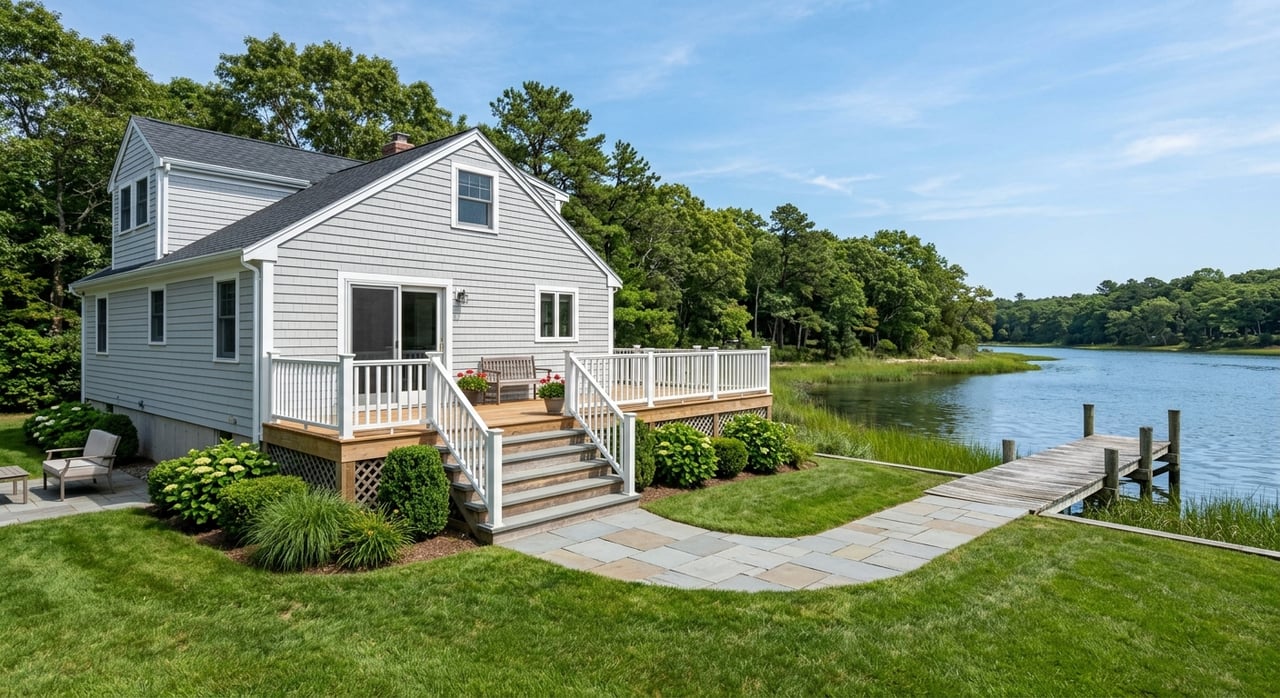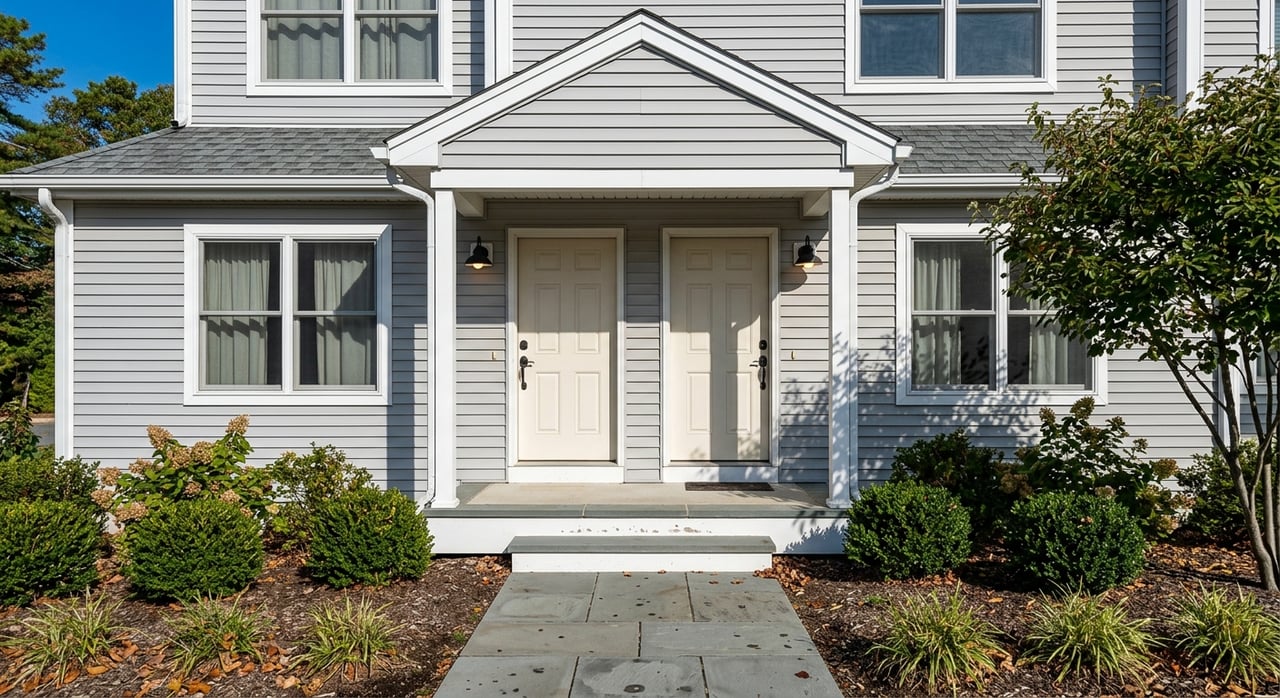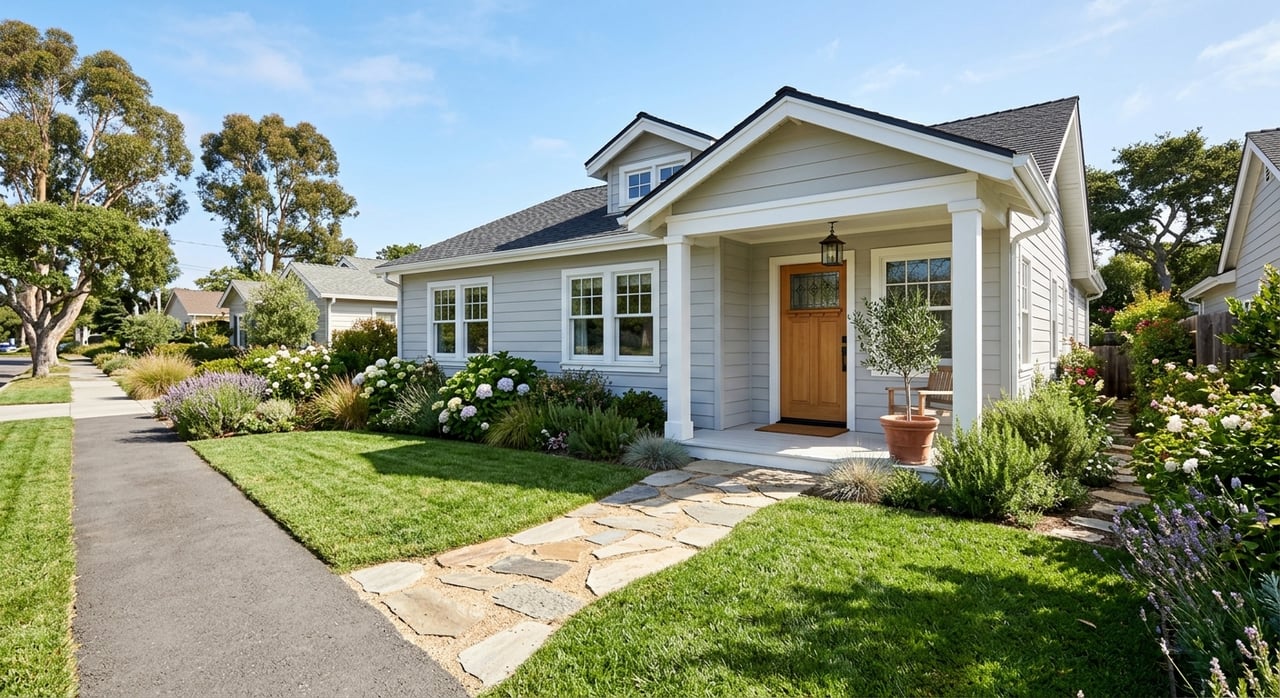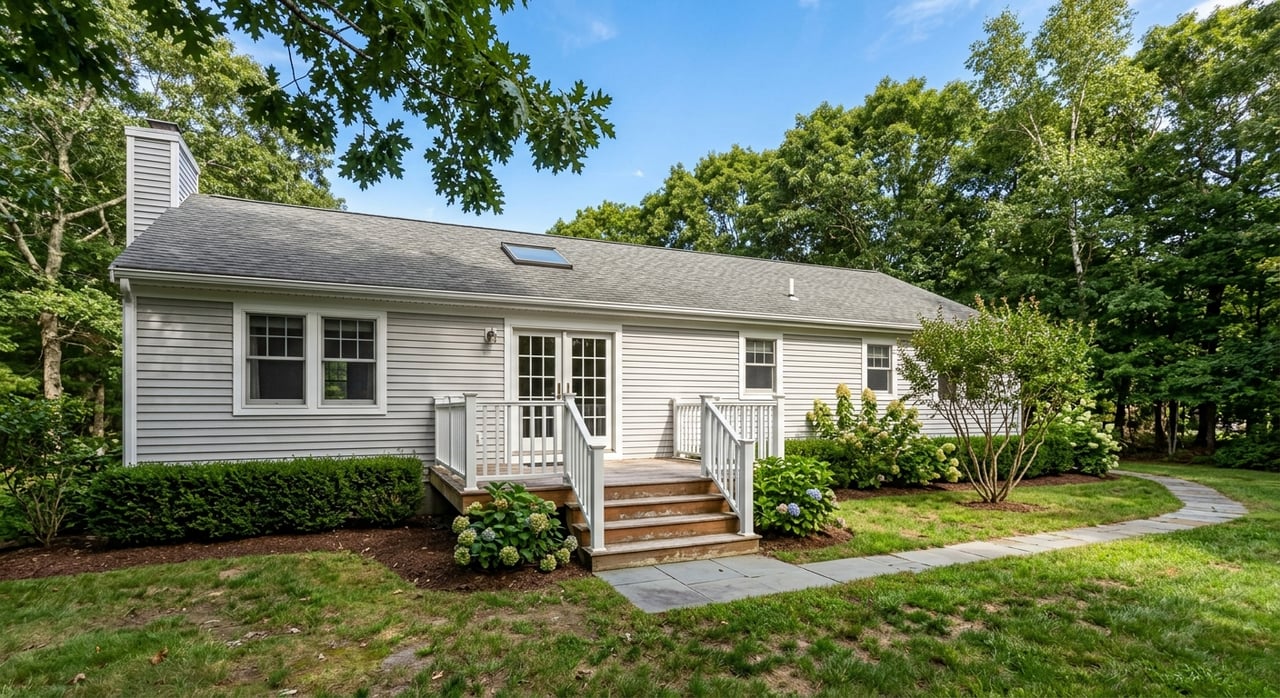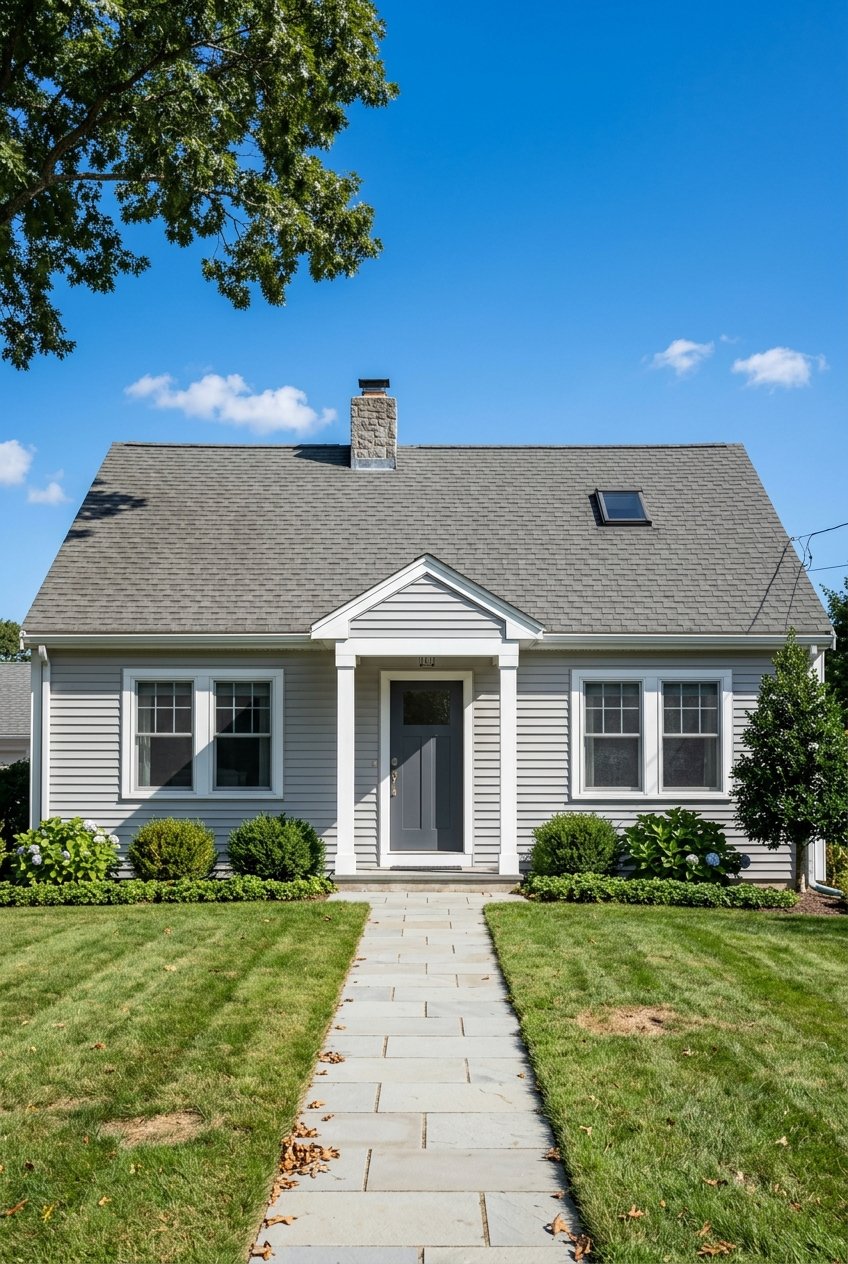
Dreaming of a North Fork escape, but want something a little quieter and more tucked away? Shelter Island offers a different rhythm. With ferry-only access, preserved land, and a housing market centered on detached homes with room to spread out, it can feel like a true retreat while still keeping you connected to the East End. If you are considering Shelter Island as your North Fork retreat, here is what to know before you make your move.
Why Shelter Island Feels Different
Shelter Island sits between the North and South Forks of Long Island, and the Town describes it as the smallest of the five East End towns. Its history as a resort community, along with later waterfront subdivisions and a strong focus on preserved land, helps shape the island’s distinct character. You feel that difference in the setting, the pace, and the way the island is laid out.
For many buyers, the appeal is simple. Shelter Island offers a more contained, secluded experience than many mainland North Fork communities. That impression is closely tied to its ferry access, rural road network, and natural surroundings, which together create a sense of separation from everyday traffic and noise.
Ferry Access Shapes Daily Life
One of the first things to understand is that Shelter Island is only accessible by car ferry. According to the Shelter Island Chamber of Commerce, you can reach the island via the North Ferry from Greenport or the South Ferry from North Haven, and both run year-round without reservations.
That setup is part of the island’s charm, but it also affects how you plan your time. The North Ferry says the crossing takes about 10 minutes, while the South Ferry notes boats run continuously about every 10 to 15 minutes. Summer weekend service on the North Ferry also extends later into the night, which can help if you are balancing island time with outings on the North Fork.
Getting Around on the Island
Once you arrive, the island feels more rural than suburban. The Town’s transportation plan notes that most residential areas do not have sidewalks, so driving is a big part of everyday life.
That matters if you are shopping for a second home or seasonal retreat. Narrower roads, fewer pedestrian features, and a quieter road pattern can be a big plus if you want privacy and a slower pace. At the same time, it is helpful to know that quick errands, beach trips, and dinner plans usually start with getting in the car.
Natural Setting Is a Major Draw
If your idea of a retreat includes open space and time outdoors, Shelter Island stands out. The island’s beaches, preserves, and creekfront areas are major defining features in Town planning documents, and they shape how many buyers experience the area.
A standout is Mashomack Preserve, which covers 2,350 acres with 11 miles of coastline, tidal creeks, woodlands, marshes, and fields. The preserve offers more than 20 miles of hiking trails, and more than 200 bird species have been recorded there. For buyers who want nature woven into daily life, that is a meaningful part of the island’s appeal.
Beaches Add to the Retreat Lifestyle
Shelter Island also offers several public beaches, including Crescent Beach, Wades Beach, Shell Beach, Menhaden Lane Beach, and Fresh Pond, according to the Town’s Things to Do page. Crescent and Wades are the bathing beaches and include lifeguards and comfort stations.
If you picture easy beach days as part of your retreat lifestyle, it is worth knowing that parking is regulated during peak season. The Town’s parking information explains that many beaches, landings, and ramps have restrictions from May 15 to September 15, with paid one-day permits available at several locations. That is not a drawback so much as a planning detail, especially for summer weekends and visiting guests.
Shelter Island Neighborhood Areas
Buyers often ask where to start, and Shelter Island’s recognizable areas help frame the search. Town planning and mapping materials point to places such as Shelter Island Heights, Dering Harbor, West Neck, Menantic, Hay Beach, Ram Island, and Silver Beach as important reference points.
Each area connects differently to beaches, preserves, waterfront corridors, and village-style spots. Your best fit often depends on whether you want proximity to ferry routes, a historic setting, waterfront access, or a larger parcel with more separation from neighbors.
Shelter Island Heights
Shelter Island Heights is one of the island’s most historically notable areas. The Town’s historic-resources report says the Heights Historic District includes 141 contributing buildings and one contributing structure, and describes it as a picturesque rural residential landscape.
For buyers, that can mean a setting with strong visual character and a sense of continuity. If you are drawn to homes with history and an established streetscape, this area may stand out during your search.
Dering Harbor
Dering Harbor is a separate incorporated village on Shelter Island. The Town’s plan reports that it had 50 residents in the 2020 Census, making it a very small and distinct part of the island.
Its scale is part of what makes it memorable. Buyers comparing different areas often notice how each part of Shelter Island offers a slightly different balance of privacy, access, and setting.
What the Housing Market Looks Like
Shelter Island is a high-price market, but inventory still spans a range of price points and property types. According to Realtor.com’s Shelter Island market overview, there are 60 homes for sale with a median price of $2.75 million, median days on market of 187, median price per square foot of $1,137, and a sales-to-list ratio of 96%.
A separate measure from Zillow estimates the average home value at $1,730,022, up 5.3% year over year. These numbers are based on different methodologies, so it is best to treat them as complementary snapshots rather than exact equivalents. Together, they show a market that is firmly in the luxury and second-home conversation.
Home Types and Lot Sizes
Current listings suggest that detached single-family homes dominate the market. Many homes offer 3 to 5 bedrooms on lots ranging from roughly 0.4 to 3 acres, based on current 11964 listings under and around key price thresholds.
That pattern matters if you are looking for breathing room. Shelter Island tends to offer the kind of larger parcels and stand-alone homes that many retreat buyers want, whether you are planning weekend use, extended summer stays, or a longer-term second home.
Price Range From Land to Luxury
One of the more useful things for buyers to know is that entry points vary. Current listing data show land parcels around $750,000 to $1.095 million, while homes under $1.5 million include examples around $1.25 million, $1.295 million, and $1.375 million.
At the upper end, listings extend well into the multimillion-dollar range. That gives the market a broad spread, especially for buyers deciding between building, renovating, or purchasing a move-in-ready property.
Historic Homes and Newer Construction
Shelter Island’s housing stock also spans multiple eras. The Town’s historic-resources report notes preserved historic homes and features across the island, while also explaining that after World War II, residential subdivisions and individual homes lined the waterfront.
In practical terms, that means your search may include older homes with character, later-era houses in established waterfront areas, and newer infill or replacement construction. If you want a retreat property, that variety can be a real advantage because it opens up more ways to match your budget, style, and maintenance goals.
Practical Details Buyers Should Know
Island living comes with a few nuts-and-bolts considerations that are easy to overlook at first. The Town’s Good Neighbor brochure notes that the only wastewater treatment plant is in Shelter Island Heights, so many homes use septic systems. It also explains that community water in several districts comes from local wells and the aquifer.
Those details matter if you are buying a second home and want to understand upkeep, seasonal maintenance, and long-term ownership responsibilities. On Shelter Island, the lifestyle is a major draw, but practical planning is still part of making the right purchase.
Is Shelter Island Right for You?
Shelter Island tends to appeal to buyers who want a quieter alternative to the rest of the North Fork while staying connected to the East End. Ferry access, rural roads, preserved land, beaches, and a housing market centered on detached homes all contribute to that retreat-like feel.
If you want walkable suburban infrastructure and quick in-and-out convenience, you may find the island more deliberate than expected. But if you are looking for privacy, natural beauty, and a true change of pace, Shelter Island can be an exceptional fit.
When you are ready to explore whether Shelter Island aligns with your goals, Cheryl & Regan can help you compare locations, evaluate property options, and navigate the East End with a local, personalized approach.
FAQs
What makes Shelter Island different from other North Fork areas?
- Shelter Island stands out for its ferry-only access, rural road network, preserved land, public beaches, and housing stock centered on detached homes with larger parcels.
How do you get to Shelter Island from the North Fork?
- You can reach Shelter Island by the North Ferry from Greenport or by the South Ferry from North Haven, and both provide year-round service without reservations.
What are home prices like on Shelter Island, NY?
- Current market data show a median listing price of $2.75 million on Realtor.com, while Zillow estimates an average home value of $1,730,022, reflecting different methods but a generally high-priced market.
What types of homes are common on Shelter Island?
- Detached single-family homes are most common, often with 3 to 5 bedrooms and lot sizes ranging from about 0.4 to 3 acres.
What should buyers know about daily life on Shelter Island?
- Buyers should plan for ferry travel, car-oriented transportation, summer beach parking rules, and property systems such as septic and local water service in many areas.