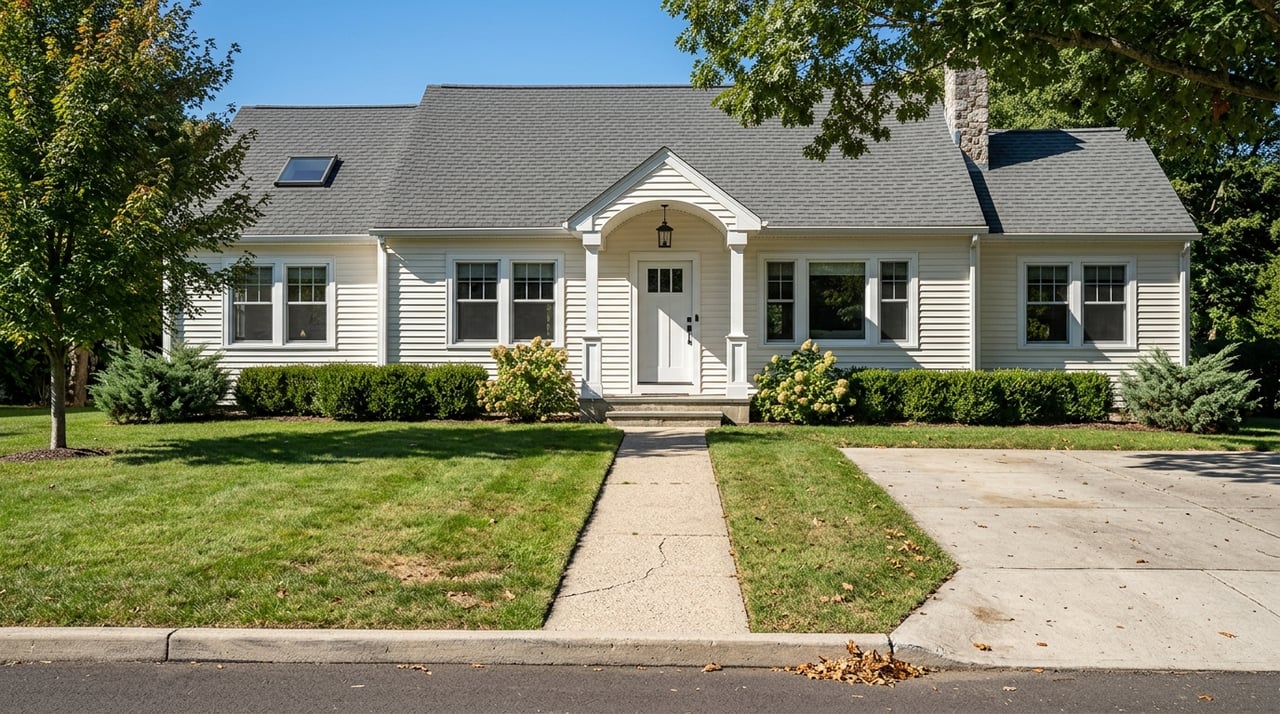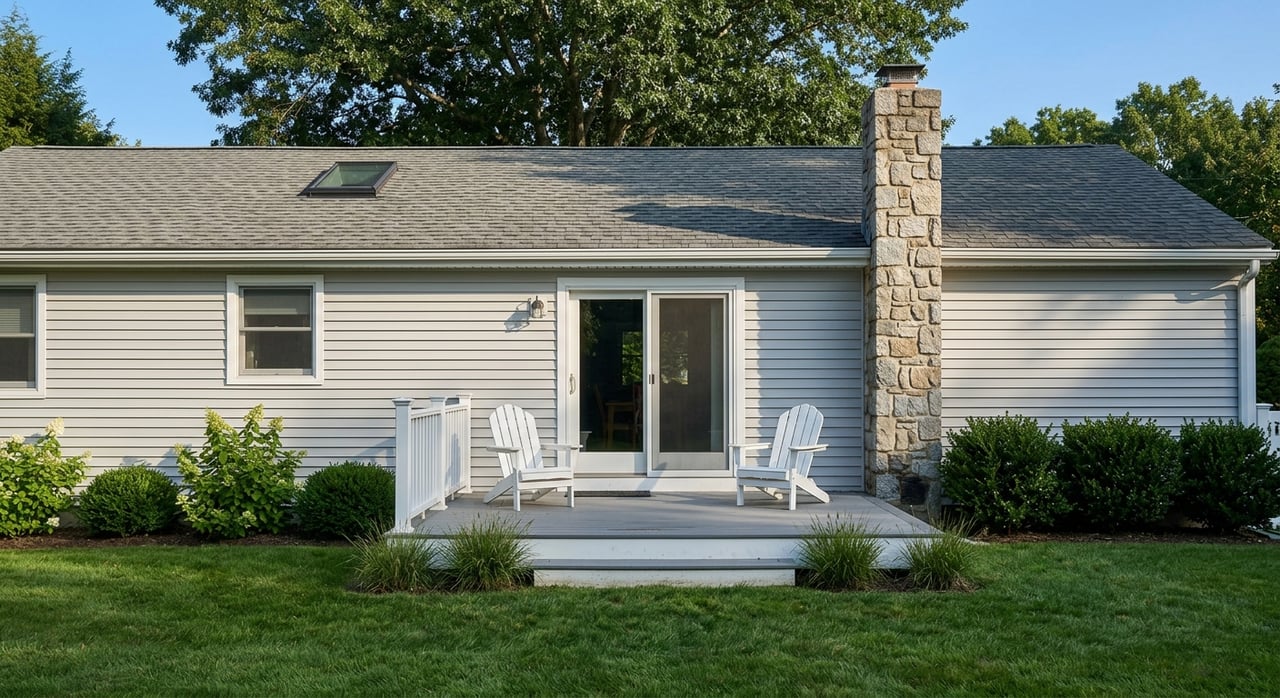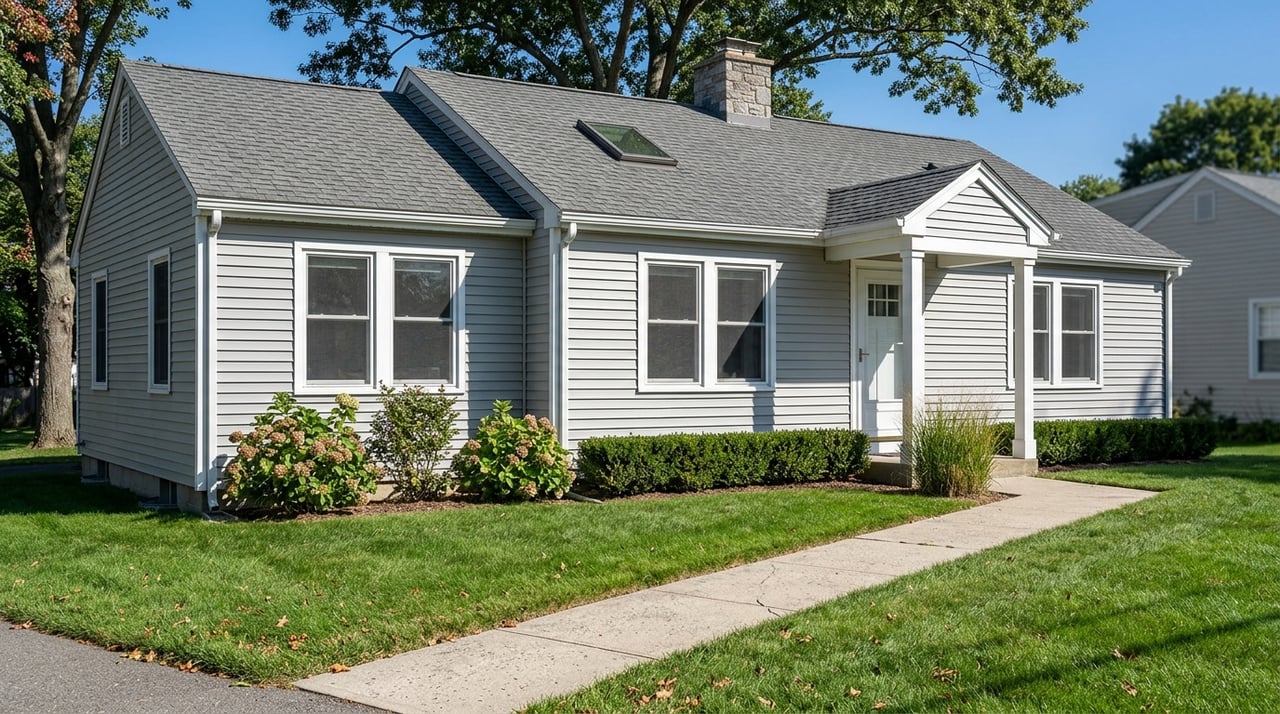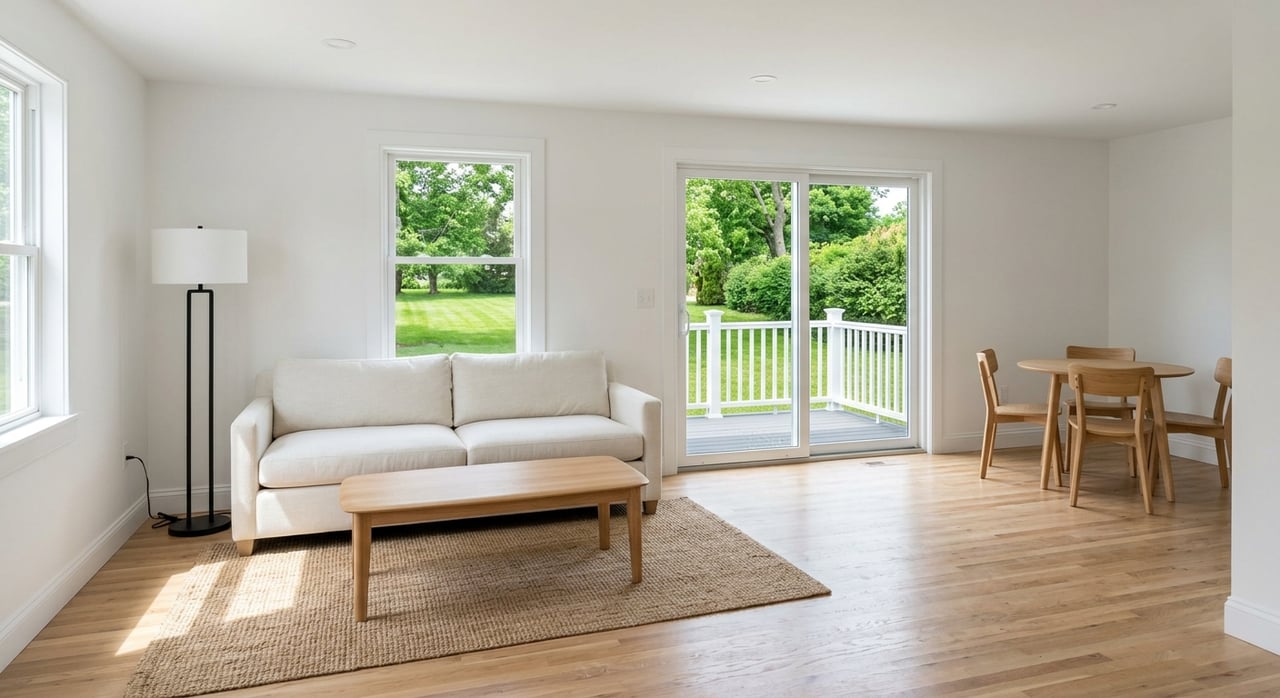
Wondering if a Peconic home could double as a short-term rental? It is a smart question, especially in a North Fork hamlet known for vineyards, farms, beaches, and second-home appeal. But in Peconic, rental potential is not just about demand. It is also about local rules, permit requirements, and choosing the right strategy before you buy or list. Let’s dive in.
Peconic rental appeal
Peconic sits within the Town of Southold, in the heart of the North Fork. The area is closely tied to agriculture, coastal access, and seasonal lifestyle demand, with visitors drawn to vineyards, breweries, farm stands, beaches, trails, parks, and boat ramps.
That setting helps explain why rental interest in Peconic tends to be lifestyle-driven. Many visitors are looking for a peaceful home base for a week, a few weeks, or a seasonal stay rather than a hotel-style weekend stop.
Southold rules matter first
If you are evaluating short-term rental potential in Peconic, local regulation has to come first. Under Southold Town Code, a transient rental property is a dwelling occupied by someone other than the owner or a family member for less than 14 nights.
The town’s housing plan states that transient rentals are prohibited in all zoning districts except Fishers Island. In practical terms, that means a true nightly short-term rental model is generally a poor fit for Peconic unless a property is verified very carefully on a parcel-by-parcel basis.
Rental permits are required
Any rental occupancy in Southold requires a rental permit. The current application includes a $300 fee, a two-year renewal cycle, and a required safety inspection or third-party certification.
A property also needs a valid certificate of occupancy or precertificate before a permit can be issued. Southold requires permit numbers in advertisements, and brokers and agents must verify the permit before listing a rental.
Compliance risk is significant
This is not an area where you want to make assumptions. Southold code sets first-offense penalties at a minimum of $3,000 and up to $10,000 or the published 14-day rental rate, whichever is higher.
Southold was also holding Code Committee meetings in early 2026 to discuss a proposed short-term rental code. That means buyers, owners, and sellers should recheck the current ordinance right before making a purchase decision, underwriting rental income, or bringing a property to market.
What Peconic renters seem to want
The available market data points to a very specific kind of rental inventory. AirDNA’s Peconic snapshot is based on 14 properties and shows 100% entire-home listings.
The mix also skews larger. About 43% of listings are 3-bedroom homes, 36% are 4-bedroom homes, and 14% are 5-bedroom or larger homes.
That matters because it suggests visitors are often booking whole homes for group stays. In many cases, that may mean family gatherings, friend groups, or second-home style use where privacy, shared space, and convenience matter more than quick turnover.
Minimum stays tell a story
The same data suggests Peconic may be better suited to longer stays than true weekend churn. Half of the listings use 7 to 29 night minimum stays, and 79% are available 271 to 365 nights per year.
That does not guarantee how any one property will perform. Still, it supports a more measured view of the market, where longer seasonal or shoulder-season bookings may be more realistic than a high-frequency nightly model.
Features that likely support demand
Peconic listings also show a practical set of guest expectations. AirDNA reports that parking, kitchen, internet, wireless internet, and air conditioning appear in 100% of the local listings sampled.
In a car-oriented North Fork destination, those basics matter. A home that feels easy, comfortable, and self-contained may align better with what visitors appear to want in Peconic.
Revenue data needs context
AirDNA’s current Peconic snapshot shows about $34.4K in annual revenue, 39% occupancy, an average daily rate of $861.10, and RevPAR of $309.30. Those numbers can be helpful as directional guidance.
But they should not be treated as a promise. The sample size is small, with just 14 properties, so the data is best used as a starting point for underwriting rather than a forecast for any individual home.
Peconic is not Southold’s biggest STR hub
Townwide context matters too. Southold’s 2023 housing plan reported more than 730 active short-term rentals in February 2023, representing about 4.5% of the town’s housing stock.
In the hamlet-level breakdown, Peconic had 22 active rentals. That was below Greenport, Southold, Mattituck, and Cutchogue, which suggests Peconic is part of the town’s seasonal rental picture, but not one of its highest-volume short-term rental submarkets.
A more realistic Peconic strategy
For many buyers, the strongest Peconic play may not be a nightly vacation-rental model. Based on the market data and local rules, a more realistic path is often a home that supports owner use plus longer seasonal or monthly rentals, while staying aligned with town permit rules, occupancy limits, and advertising requirements.
That approach can be especially relevant for second-home buyers who want personal enjoyment first and income potential second. It can also make sense for sellers who want to position a property around flexibility and lifestyle, not just speculative rental projections.
What to look for in a rental-minded property
If you are buying with rental potential in mind, these characteristics may deserve extra attention:
- 3 to 4 bedrooms
- Ample on-site parking
- Outdoor space for seasonal use
- A valid certificate of occupancy or precertificate pathway
- Clear permit and compliance history
- A layout that works well for whole-home stays
None of these features guarantees performance. They simply line up more closely with the inventory mix and usage patterns visible in the current Peconic data.
What sellers should keep in mind
If you own a home in Peconic, rental potential can still be part of the conversation, but it should be framed carefully. Buyers are often interested in flexibility, especially in second-home markets, yet they also need a realistic picture of what the town allows.
That means accurate marketing matters. Permit status, occupancy rules, and the difference between transient use and longer stays can shape buyer confidence and help prevent costly misunderstandings.
Why local guidance matters
In a market like Peconic, the details matter as much as the lifestyle. A home may look like a perfect vacation rental on paper, but local code, permit timing, and property-specific factors can quickly change the picture.
That is why parcel-level verification and thoughtful underwriting are so important. Whether you are buying, selling, or exploring second-home options, strong local guidance can help you evaluate the opportunity with clear eyes.
If you want help understanding how Peconic rental potential fits into your buying or selling plans, Cheryl & Regan can help you assess the local market with a personalized, practical approach.
FAQs
Can you legally run a nightly short-term rental in Peconic?
- Southold Town’s housing plan states that transient rentals of less than 14 nights are prohibited in all zoning districts except Fishers Island, so a nightly model is generally not a good fit in Peconic without very careful property-specific verification.
Do Peconic rental properties need a permit?
- Yes. Any rental occupancy in Southold requires a rental permit, and the town requires a fee, renewal cycle, safety inspection or third-party certification, and a valid certificate of occupancy or precertificate before issuing one.
What type of rental home seems most common in Peconic?
- Current AirDNA data for Peconic shows entire-home listings only, with many 3-bedroom and 4-bedroom homes, which points to larger whole-home stays rather than smaller hotel-style rentals.
Is Peconic a high-volume short-term rental market in Southold?
- Peconic appears to be a smaller short-term rental submarket compared with places like Greenport, Southold, Mattituck, and Cutchogue, based on the hamlet breakdown in Southold’s 2023 housing plan.
What should buyers in Peconic focus on instead of nightly rental projections?
- A practical approach is often to evaluate owner use plus longer seasonal or monthly rental potential, while verifying permit rules, occupancy limits, advertising requirements, and property-specific compliance details.