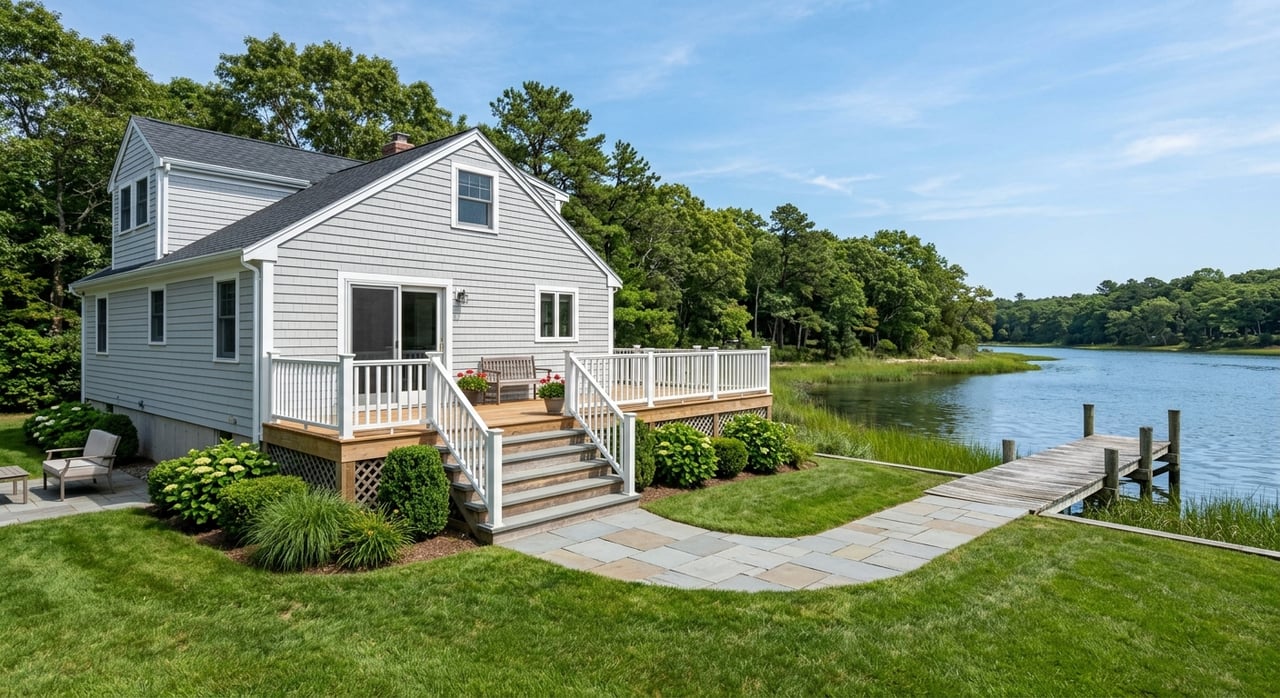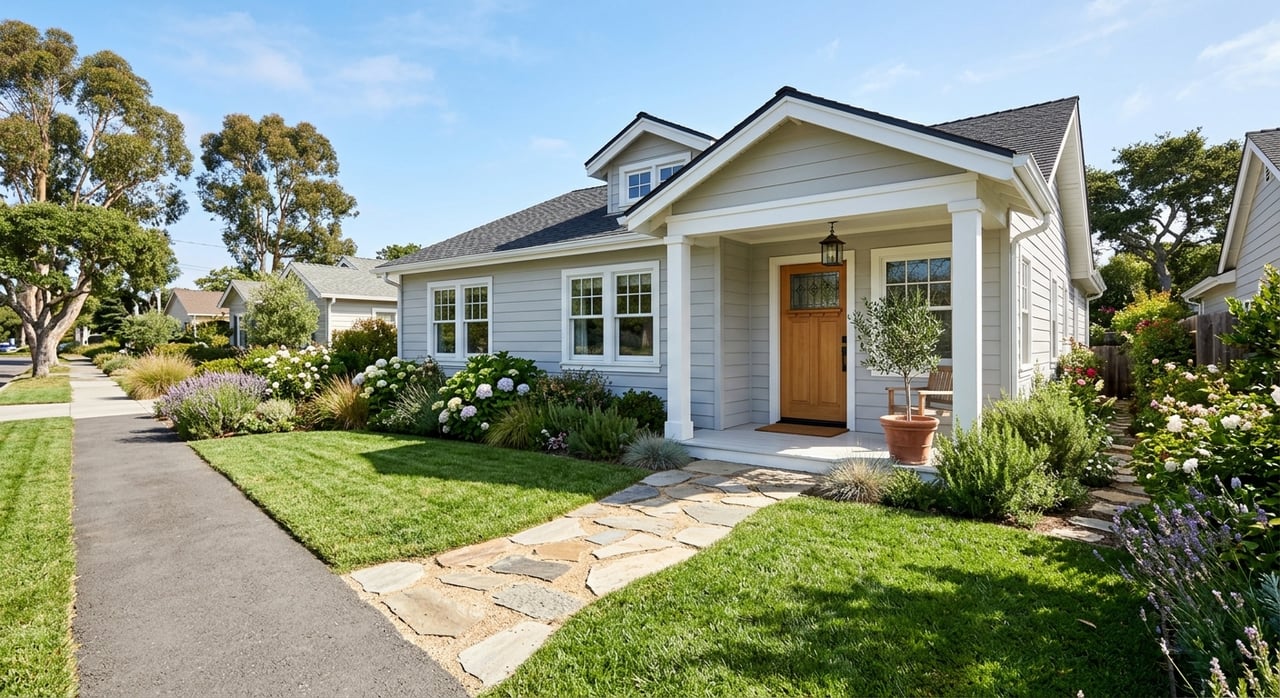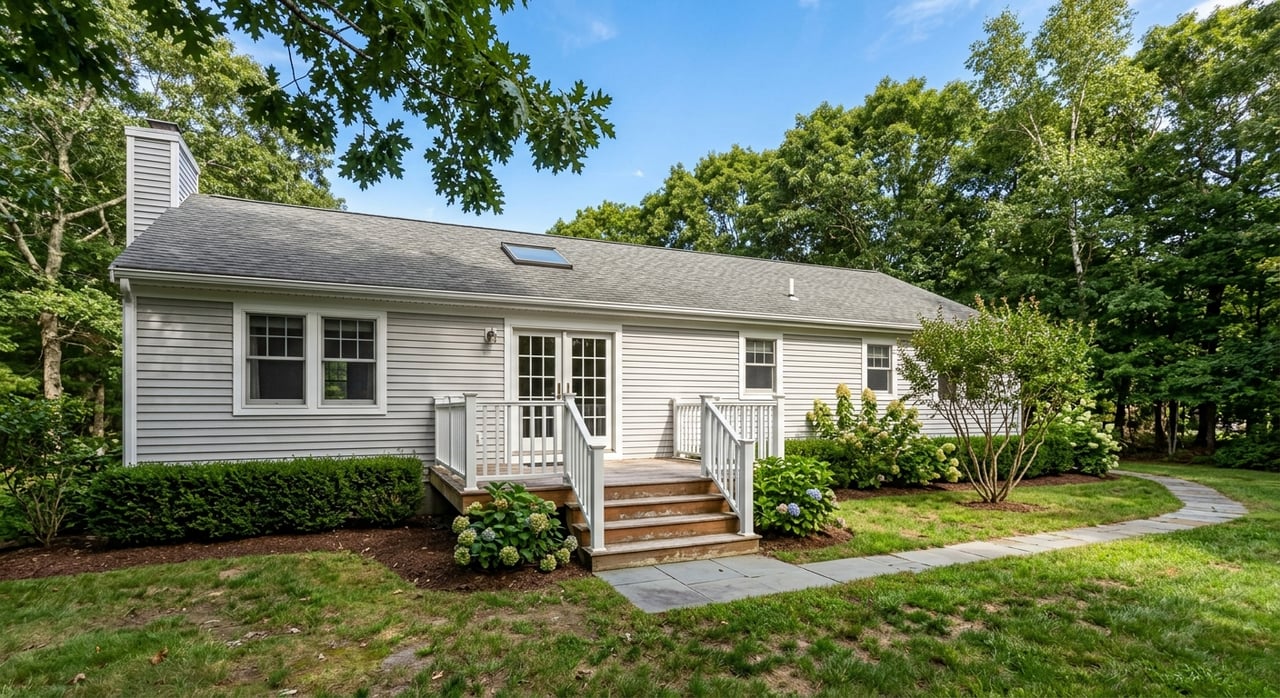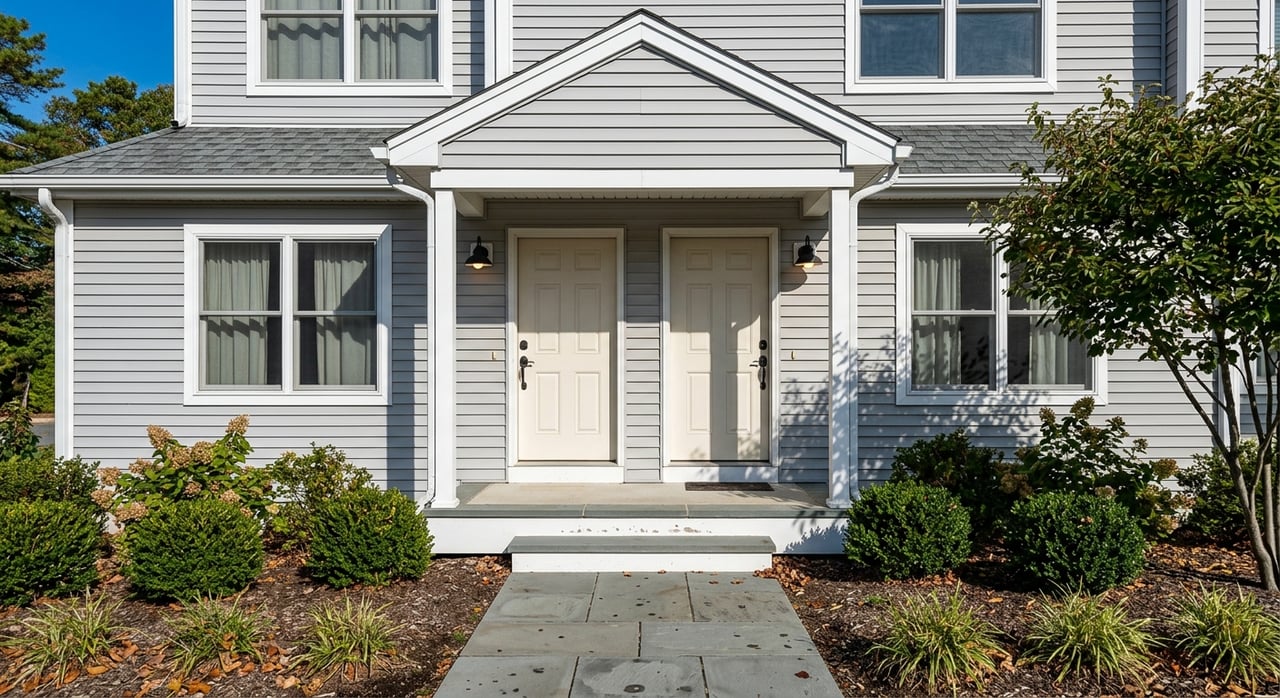
If you are torn between a condo and a cottage in Westhampton Beach, you are not alone. Both options can support a coastal lifestyle, but they come with very different responsibilities, rules, and day-to-day experiences. The right fit depends on how you plan to use the property, how much upkeep you want to handle, and whether seasonal rental income is part of your plan. Let’s dive in.
Westhampton Beach Lifestyle Starts With Use
Before you compare finishes, views, or price points, it helps to think about how you want to live in Westhampton Beach. Are you looking for a low-maintenance place you can lock and leave? Or do you want more control over outdoor space, privacy, and how the property functions over time?
In Westhampton Beach, that choice is not only about style. It also affects what rules apply, what maintenance falls on you, and what kind of due diligence you should do before making an offer.
Condos Offer Simplicity With Shared Rules
A condo purchase in New York generally means you own your unit outright and also share an interest in the common elements. You typically pay common charges, follow the declaration, bylaws, rules, and board requirements, and remain responsible for your unit’s maintenance and repairs, along with casualty and liability insurance.
For many buyers, the appeal is clear. A condo can reduce some of the direct day-to-day upkeep tied to exterior maintenance or shared amenities, which may make it attractive if you want a more part-time or seasonal setup.
What condo ownership usually feels like
If you value convenience, a condo may feel more streamlined than a freestanding home. You are buying into a structure with defined ownership boundaries, shared responsibilities, and established procedures.
That can be a real advantage if you prefer predictability. It can also be a tradeoff if you want complete control over how the property is managed or used.
What to review before buying a condo
New York guidance recommends that buyers read the full offering plan, review board minutes and recent financial reports, and consult an attorney before signing. Those documents can shape your real experience as an owner, including building obligations, amenities, and any leasing or resale restrictions.
In practical terms, this means condo buyers should look beyond the unit itself. A beautiful interior does not tell you everything about the building’s financial health, rules, or future obligations.
Cottages Give You More Control
A cottage or single-family home usually appeals to buyers who want more direct control over the parcel and outdoor space. That can mean more privacy, more room to personalize the property, and more flexibility in how you use the yard or exterior features.
The tradeoff is simple. With that control comes more responsibility for upkeep, permits, and site-specific compliance.
Why buyers choose cottages
If your vision of Westhampton Beach includes a private yard, a separate structure layout, or a property that feels more independent, a cottage may align better with your lifestyle. This option often suits buyers who care more about customization and privacy than shared amenities.
It can also be a stronger fit if you want a home that feels more rooted and personal rather than a lock-and-leave setup.
Local rules matter more than many buyers expect
In Westhampton Beach, local code plays a major role in what you can and cannot do with a one-family property. The village defines accessory apartments as subordinate to an existing single-family dwelling for permanent year-round occupancy, and it prohibits second dwellings in residence districts.
That means you should not assume a cottage can easily be expanded into a two-unit setup or a flexible income property. If future use is part of your decision, local code deserves close review early in the process.
Seasonal Rentals Can Shift the Decision
For many second-home buyers, rental potential is part of the conversation. In Westhampton Beach, summer rental rules for one- and two-family dwellings are detailed, and they can affect how practical a cottage feels for your goals.
The village defines summer as May 1 to September 30. It requires an occupancy permit before a home can be used as a summer rental, requires annual application filing, and asks for information such as tenant names, bedroom count, rental period, and a refuse-carrier contract.
What cottage buyers should know
If you are considering a cottage partly for seasonal income, be prepared for compliance steps. The code also limits overnight parking and requires summer rentals to be used only by the tenants listed on the application.
The occupancy permit cannot be issued to a group that is not a family or the functional equivalent of a family. So if your plan involves flexible guest use or loosely organized summer occupancy, that expectation may not line up with local rules.
What condo buyers should know
A condo may seem easier at first glance, but rental use still requires careful review. In addition to local rules that may apply based on property type and location, condo buyers need to understand any leasing restrictions in the offering plan, bylaws, or board rules.
This is where the condo-versus-cottage decision becomes less about aesthetics and more about process. If rental use matters, your due diligence should focus on the governing documents for condos and the village summer-rental code for cottages.
Coastal Location May Matter More Than Property Type
In Westhampton Beach, ocean, bay, and low-lying shoreline locations bring another layer of planning. The village operates a coastal erosion management program and requires permits for regulated activities in erosion hazard areas.
The code also includes standards intended to minimize flood and erosion damage. In some coastal hazard areas, existing buildings may be floodproofed under specific conditions.
Do not assume one property type avoids coastal rules
A condo is not automatically exempt from coastal regulation just because it is multifamily. A cottage is not the only property type affected by floodplain or shoreline constraints.
The village defines an Area of Special Flood Hazard as land in the floodplain with a one-percent-or-greater annual chance of flooding, and local zoning includes a Tidal Floodplain Overlay District. In other words, location on the lot can matter just as much as the type of home you buy.
Beach Access Is Worth Asking About
Lifestyle in Westhampton Beach often includes the beach, so it is smart to understand how access works. The village states that year-round renters and taxpayers can apply for beach passes, and some non-resident seasonal renters in nearby communities may qualify if the homeowner gives written permission and transfers the permit to the tenant.
If beach access is part of your purchase decision, ask specific questions early. A property’s ownership or rental setup can affect how that process works in practice.
Which Option Fits Your Lifestyle Best?
The best choice usually comes down to your priorities, not a universal winner. Both condos and cottages can work beautifully in Westhampton Beach, but they serve different kinds of ownership experiences.
Here is a simple way to frame the decision:
A condo may fit you if you want
- Lower direct maintenance
- A more part-time or seasonal ownership setup
- Shared common elements and structured management
- A property with defined documents and governance to review before purchase
- Less hands-on responsibility for the parcel itself
A cottage may fit you if you want
- More direct control over the property and outdoor space
- Greater privacy and a more independent ownership experience
- More opportunity to personalize the home
- A property that may support a seasonal rental strategy if you follow village requirements
- A home where customization matters more than shared amenities
Smart Questions To Ask Before You Buy
Whether you lean condo or cottage, the right questions can save you time and stress.
If you are considering a condo
- What do the offering plan and bylaws say about leasing or resale?
- What are the common charges?
- What do recent board minutes and financial reports show?
- What maintenance is handled through the association, and what remains your responsibility?
- Is the property affected by any coastal or flood-related constraints?
If you are considering a cottage
- Is the property in a floodplain, erosion hazard area, or overlay district?
- If you hope to rent seasonally, what permits and annual filings are required?
- Are there parking, tenant-listing, or refuse requirements that affect your plans?
- Are there limits on future expansion or additional dwelling use under village code?
- How might beach-pass eligibility work based on your intended use?
The Right Choice Is the One That Matches Your Real Life
A condo can be a strong fit if you want easier ownership with shared structure and fewer direct maintenance demands. A cottage can be a strong fit if you want more control, more privacy, and a property that feels distinctly your own.
In Westhampton Beach, the details matter. Ownership structure, summer rental rules, and coastal conditions can all shape whether a home truly supports the lifestyle you have in mind. If you want help weighing those factors and narrowing your options, Cheryl & Regan can guide you with local insight and personalized support.
FAQs
What is the main difference between a condo and a cottage in Westhampton Beach?
- A condo typically offers a unit plus shared common elements, common charges, and board rules, while a cottage gives you more direct control over the parcel and outdoor space along with more maintenance responsibility.
Are Westhampton Beach cottages easier to rent in summer?
- Not necessarily. One- and two-family summer rentals in Westhampton Beach require an occupancy permit, annual application filing, tenant information, and compliance with local parking and refuse rules.
Can a Westhampton Beach condo have rental restrictions?
- Yes. New York guidance recommends reviewing the offering plan, bylaws, board minutes, and financial reports because those documents may include leasing or resale restrictions.
Do flood and coastal rules apply only to cottages in Westhampton Beach?
- No. Westhampton Beach regulates erosion hazard areas and flood-prone locations, and those site conditions can affect a condo or a cottage depending on where the property is located.
Can you add a second dwelling to a cottage in Westhampton Beach?
- Village code prohibits second dwellings in residence districts, so you should not assume a cottage can be expanded into a two-unit property.
Should beach access matter when comparing condos and cottages in Westhampton Beach?
- Yes. The village ties beach pass eligibility to residency and rental status, so it is worth asking how a specific property’s use may affect access.