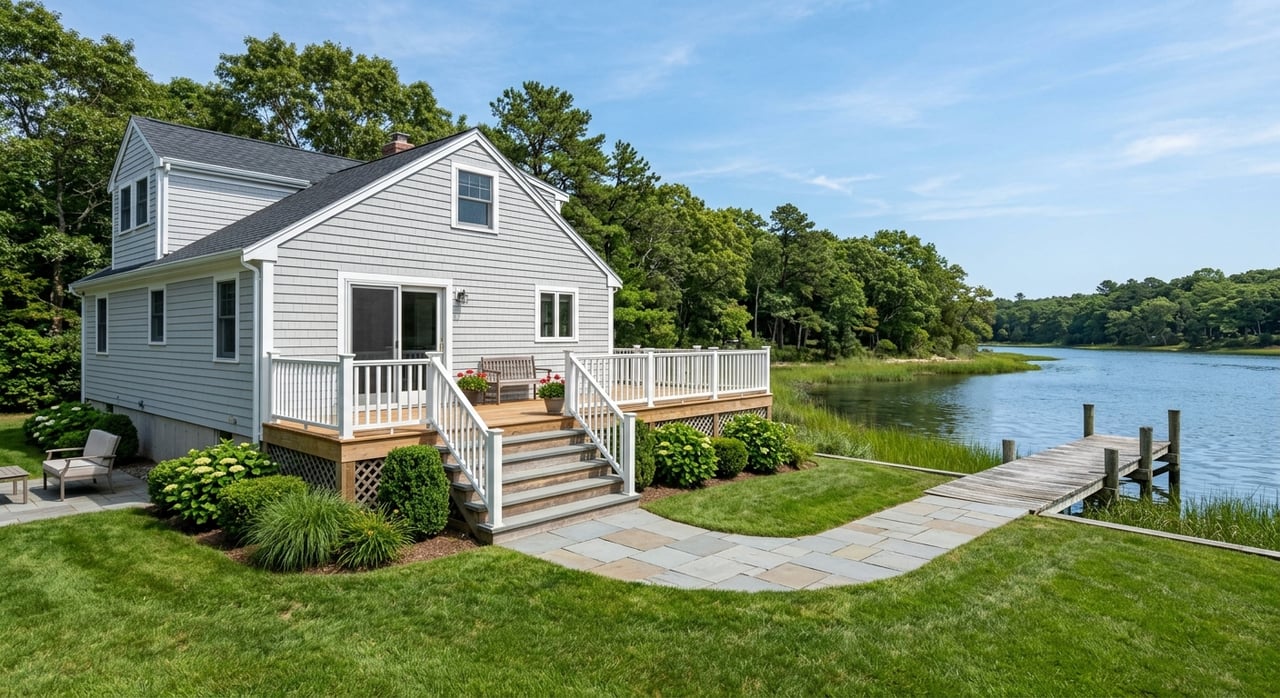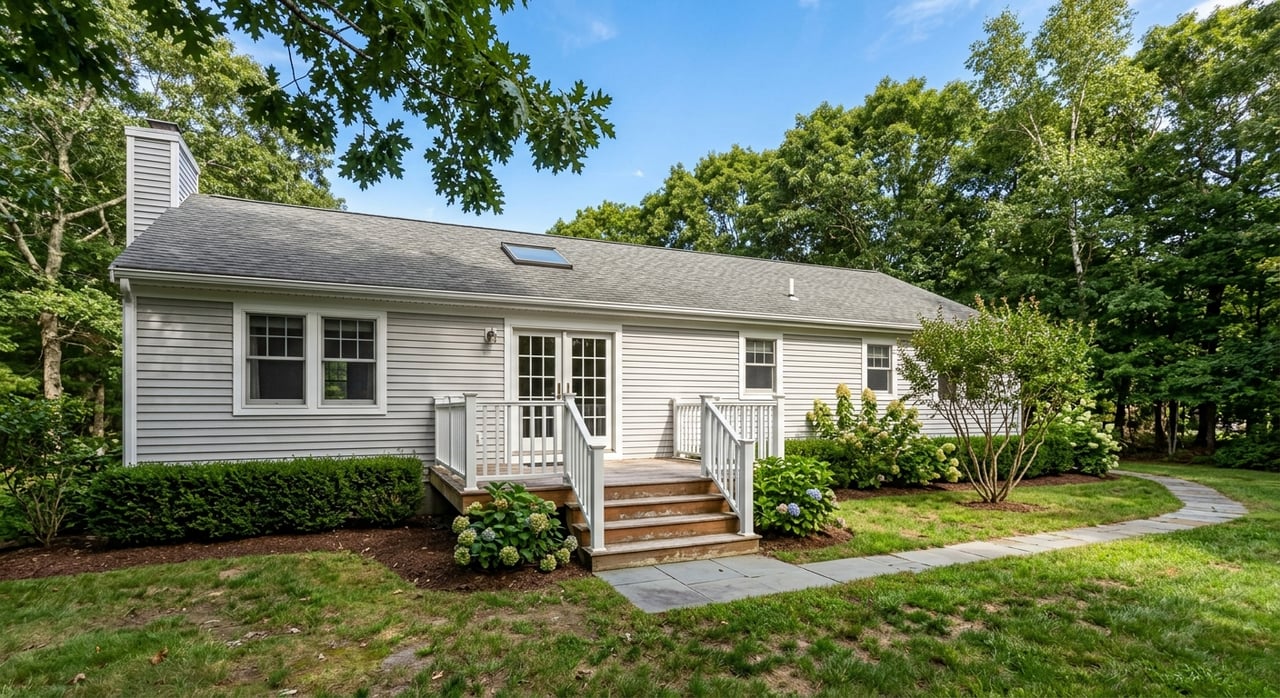
If you’re looking for an East End escape that feels calmer, quieter, and more tied to the water, Shelter Island stands apart. Life here moves to a different rhythm, shaped by ferry crossings, shoreline access, preserved land, and a strong connection to boating and the outdoors. Whether you’re exploring a second-home purchase or simply trying to understand the lifestyle, this guide will help you picture what daily life on Shelter Island really feels like. Let’s dive in.
Shelter Island’s pace feels different
Shelter Island is a ferry-connected town, and that alone shapes the experience of living here. North Ferry connects the island with Greenport and the North Fork, while South Ferry connects Shelter Island with North Haven.
South Ferry states that crossings run 365 days a year every 10 to 15 minutes with no reservations required, and North Ferry also operates every day of the year. In practical terms, your routine is often built around ferry timing rather than bridge traffic, which gives the island a more contained and water-oriented feel.
That sense of separation is also reinforced by the town’s focus on preserved land and open space. Shelter Island’s official maps highlight woods, meadows, creeks, ponds, beaches, and wildlife as part of everyday island life, not just as scenic extras.
Beaches shape summer living
One of the biggest draws of Shelter Island living is easy access to the shoreline. The town lists five public shoreline spots: Crescent Beach, Wades Beach, Shell Beach, Menhaden Lane Beach, and Fresh Pond.
Crescent Beach and Wades Beach both have lifeguards and comfort stations. Shell Beach does not, which gives you a different kind of experience if you prefer a simpler, more natural beach setting.
Summer access comes with a few logistics to know. The town restricts parking at many beaches, landings, and ramps from May 15 through September 15, and one-day permits are available through ParkMobile for $25 plus fees.
That detail matters because it says a lot about the local lifestyle. On Shelter Island, beach days tend to work best when you plan ahead rather than assume you can simply arrive and park anywhere.
Public beach options at a glance
| Location | What to know |
|---|---|
| Crescent Beach | Public shoreline spot with lifeguards and comfort stations |
| Wades Beach | Public beach on West Neck Bay with restroom and lifeguard station |
| Shell Beach | Public shoreline spot without lifeguards or comfort stations listed |
| Menhaden Lane Beach | Public shoreline spot listed by the town |
| Fresh Pond | Public shoreline spot listed by the town |
Boating is part of daily life
On Shelter Island, boating is not just a weekend hobby. It is built into the island’s infrastructure and daily routines.
The town’s Marine Division oversees patrol boats and harbormasters who enforce boating-related rules, maintain channel buoys and navigation signs, investigate boating incidents, and maintain town anchorage areas. That level of town involvement shows how central marine access is to the community.
The town’s Moorings Law states that Shelter Island has issued 862 mooring permits and that mooring space is limited. That reflects a real balance between recreation, navigation, and the island’s compact waterways.
For you as a buyer or seasonal owner, this helps explain why boating here feels woven into everyday life. Beaches, launch points, ferries, moorings, and harbors all sit within a relatively small geography.
Commercial waterfront services
The Shelter Island Chamber lists Coecles Harbor Marina and Island Boatyard in its marina directory. That gives residents and visitors commercial waterfront services in addition to town-managed marine access points.
If you picture your ideal East End day as something that includes a boat ride, a paddle, or time near the harbor, Shelter Island supports that lifestyle in a very practical way.
Paddling and shoreline exploration feel natural here
Shelter Island’s coastal character is not limited to large boats or formal marinas. The town’s open-space map notes that Shell Beach is a half-mile sand peninsula, and it also states that Taylor’s Island can be reached by kayak or shallow-draft boat.
Those details matter because they point to a more relaxed kind of waterfront living. You are not limited to major destinations or crowded activity hubs. Instead, the island supports low-key exploration that can feel personal and close to home.
The town’s Maps & Trails page also links to a Coecles Harbor Marine Water Trail map. That is a strong sign that paddling is an established part of local recreation.
Preserved land adds to the calm
A big reason Shelter Island feels so distinct is its conservation-minded landscape. The town openly frames preserved land and walkable open space as part of the island’s identity and encourages residents and visitors to enjoy those places respectfully.
Mashomack Preserve plays a major role in that identity. The Nature Conservancy describes it as a large public preserve with trails open from dawn to dusk and over 2,350 acres edged by 11 miles of coastline.
Other official sources describe Mashomack as trail-rich and important wildlife habitat, with more than 200 bird species recorded and more than 20 miles of hiking trails. Even where acreage and trail totals vary by source, the clear takeaway is that Mashomack is large, accessible, and central to life on the island.
What that means for everyday living
For you, this preserved landscape changes the feel of daily life. Shelter Island does not read as overbuilt or overly busy. Instead, open space, creeks, woods, beaches, and trails remain close at hand.
That can be especially appealing if you want your East End home base to offer both waterfront access and breathing room. It creates a lifestyle that feels active without feeling rushed.
Dining stays local and low-key
Shelter Island’s dining scene is compact rather than dense, which fits the island’s overall tone. The Chamber lists a mix of seafood, deli, market, and café options including Commander Cody’s Seafood Market & Restaurant, Eagle Deli, Elli’s Country Store, Isola Restaurant, Maria’s Kitchen, Marie Eiffel Market, STARs Café, The Islander, and Vine Street Café and Market.
For many buyers, that is part of the appeal. You get a local network of easygoing places for casual meals, takeout, coffee, and everyday stops instead of a large late-night restaurant district.
That smaller-scale dining mix supports the island’s relaxed pace. Days here often feel centered on the essentials: a ferry crossing, time on the beach, a boat outing, a walk through preserved land, and a simple meal close to home.
Why second-home buyers notice Shelter Island
Shelter Island often appeals to buyers who want East End access with a more contained, water-centered lifestyle. Because ferries, beaches, marinas, trails, and dining all sit within a relatively small area, it can feel easier to shift from planning mode into relaxation mode.
That is a meaningful advantage if you are buying a second home or seasonal property. You may be looking for convenience, but not constant activity. You may want access to boating and beaches, but also a setting that feels quiet and grounded.
Shelter Island offers that mix in a way that feels very specific to the location. It is less about nonstop entertainment and more about moving easily between shoreline, open space, and simple daily routines.
What to keep in mind as you explore homes
If you are considering a purchase on Shelter Island, it helps to evaluate the lifestyle as much as the house itself. A home here is closely tied to how you want to spend your time.
As you compare properties, think about:
- Ferry access and how often you expect to travel on and off the island
- Proximity to beaches, marinas, or paddling routes
- How important preserved land, trails, and quiet surroundings are to you
- Whether you want a full-time home, seasonal retreat, or second-home investment
- How summer parking rules and beach logistics may affect your routines
For many buyers, the right fit comes down to more than square footage. It comes down to whether the property supports the kind of East End life you actually want to live.
Shelter Island has a rare combination of quiet lanes, public beaches, boating culture, and preserved open space. If that balance is what you have in mind, working with a team that understands East End second-home and lifestyle goals can make your search much more focused. If you’re ready to explore Shelter Island or compare it with other East End options, Cheryl & Regan can help you navigate the market with local insight and personalized guidance.
FAQs
What makes Shelter Island different from other East End locations?
- Shelter Island is ferry-connected and strongly shaped by preserved land, shoreline access, boating infrastructure, and a quieter island pace.
What public beaches are available on Shelter Island?
- The town lists Crescent Beach, Wades Beach, Shell Beach, Menhaden Lane Beach, and Fresh Pond as public shoreline spots.
What should buyers know about Shelter Island beach parking?
- The town restricts parking at many beaches, landings, and ramps from May 15 through September 15, and one-day permits cost $25 plus fees through ParkMobile.
Is boating a major part of Shelter Island living?
- Yes. The town maintains marine infrastructure and anchorage areas, and its Moorings Law states that 862 mooring permits have been issued.
Are there hiking trails and preserved land on Shelter Island?
- Yes. Shelter Island is known for preserved open space, and Mashomack Preserve is a large public conservation area with extensive trails and coastline.
Does Shelter Island have local dining options year-round?
- The Chamber lists a compact mix of seafood, deli, market, café, and restaurant options that support a local, low-key dining rhythm.